Viktor Griffin · 10 September 2026
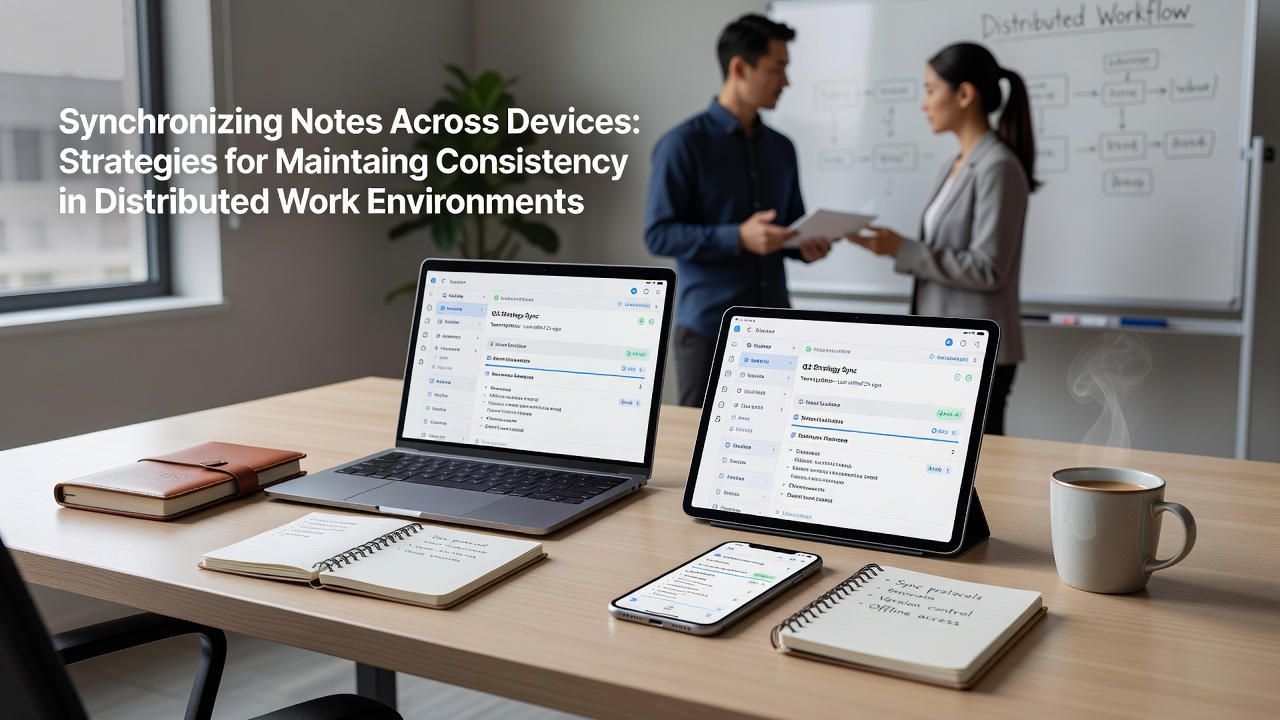
Synchronizing Notes Across Devices: Strategies for Maintaining Consistency in Distributed Work Environments
Distributed work environments rely on seamless note synchronization to keep teams aligned, and organizations have adopted various protocols to handle data across laptops, tablets, and smartphones. Research from institutions like the National Institute of Standards and Technology shows that consistent synchronization reduces errors in collaborative projects, while studies on remote workflows indicate that teams using integrated systems report fewer instances of duplicated or outdated information. The process involves cloud storage layers that update in real time, combined with version control mechanisms to track changes made by multiple users.
Core Technologies Behind Cross-Device Sync
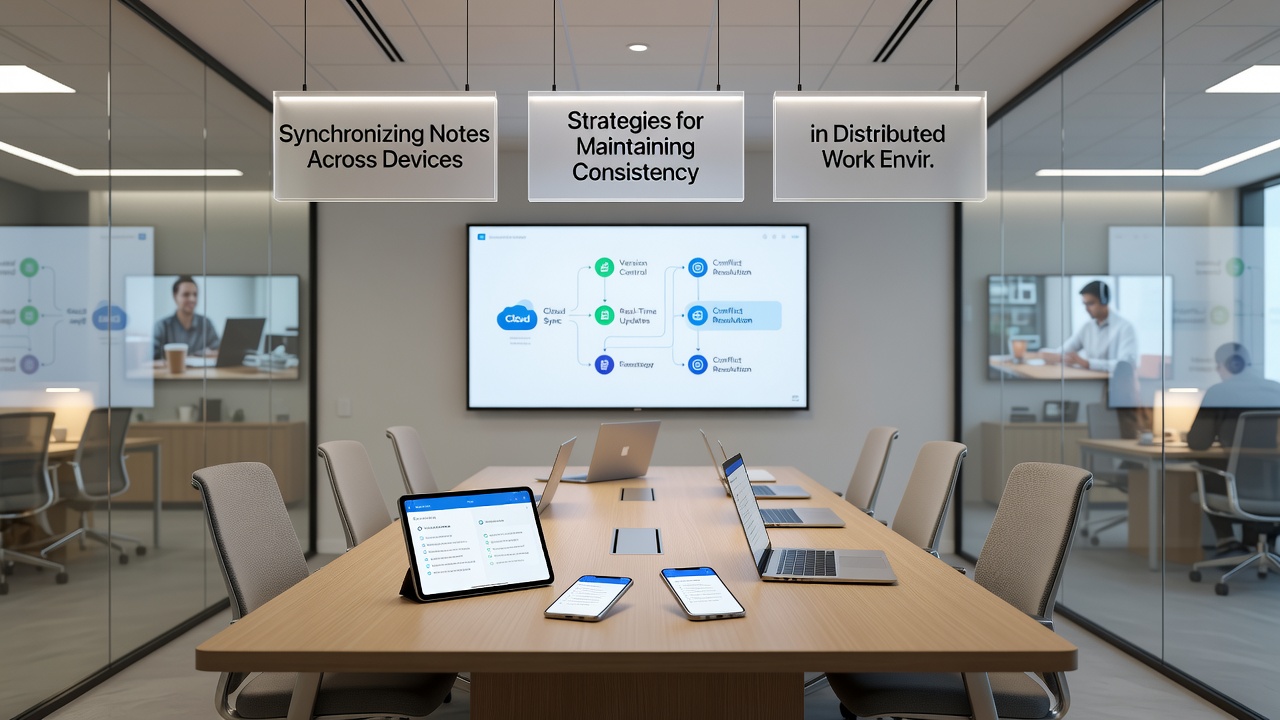
Cloud platforms form the backbone of most synchronization setups, and services built on protocols such as WebDAV or proprietary APIs allow notes to propagate across devices without manual intervention. Data centers in different regions maintain mirrored copies, which helps minimize latency for users in varied time zones, and encryption standards protect content during transfer. Observers note that companies deploying end-to-end encryption see higher adoption rates among distributed teams, since security concerns often slow down implementation of new tools.
Conflict resolution algorithms play a key role when simultaneous edits occur, and systems typically merge changes by timestamp or designated priority rules. One study from an international research group revealed that automated merging succeeds in over 85 percent of cases, while the remaining conflicts require user intervention through clear notification prompts. These features keep workflows moving even when network conditions fluctuate in remote locations.
Practical Strategies for Teams
Establishing clear naming conventions and folder structures helps maintain consistency, and distributed groups that enforce these guidelines from the start experience fewer retrieval issues later. Training sessions focused on tool features, such as offline access modes and selective sync options, equip employees to handle intermittent connectivity without losing progress. Regular audits of access permissions further support compliance with data handling policies across jurisdictions.
Integration with project management software adds another layer of reliability, since notes can link directly to tasks and deadlines. Teams that connect their note systems to calendars and communication channels find that updates surface more naturally during daily routines, and this reduces the chance of overlooked details in fast-paced environments. Data from workforce surveys conducted by research organizations indicate that such integrations correlate wth improved project completion rates in hybrid settings.
Security and Compliance Considerations
Regulatory frameworks in regions including the European Union and Canada require organizations to document how synchronized data moves across borders, and failure to meet these standards can result in operational disruptions. Encryption at rest and in transit remains standard practice, while multi-factor authentication limits unauthorized access on personal devices used for work. Experts have observed that companies conducting periodic penetration testing on their sync infrastructure identify vulnerabilities before they affect team productivity.
Backup routines complement synchronization by creating independent copies at scheduled intervals, and this approach protects against accidental deletions or device failures. Those managing large-scale deployments often combine automated backups with manual verification steps to confirm data integrity across all endpoints.
Implementation in Evolving Work Models
As hybrid arrangements continue through periods like September 2026, organizations refine their synchronization policies to accommodate new device types and operating systems. Pilot programs test emerging features such as AI-assisted tagging before full rollout, and feedback loops from these trials guide adjustments to user interfaces. Industry reports highlight that scalable solutions allow smaller teams to adopt the same frameworks used by larger enterprises without extensive customization.
Conclusion
Effective synchronization of notes across devices supports consistent operations in distributed settings through established technologies, structured strategies, and attention to security requirements. Organizations that apply these methods maintain reliable access to shared information regardless of location or device, and ongoing developments in protocols continue to address emerging needs in remote collaboration.